0
CART
0
YOUR CART
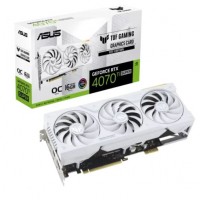


A graphics card decides how smoothly games, video editing and 3D work run on a PC, so start from what the PC will be asked to do. For everyday gaming, look at the resolution and refresh rate of the monitor you already own; for editing and 3D work, pay attention to video memory and the software you use. The listings here cover NVIDIA GeForce RTX 50, RTX 40 and RTX 30 series cards, AMD Radeon RX 9000 and RX 7000 series cards, and Intel Arc cards, from board brands including Colorful, Gigabyte, MSI, ASUS, Zotac, Manli, Sapphire, POWERCOLOR, GUNNIR, INNO3D, PNY and Palit. A newer series number does not by itself make a card the right choice for a particular PC.
Video memory, usually written as VRAM on a listing, is worth comparing when you work at higher resolutions or with large textures and timelines. A card with more VRAM gives the system more room for that data, while the card model and cooling design decide how it behaves under load. Read the specification section of each listing, and compare cards that are meant for the same kind of work before deciding.
Before ordering, check three practical points on the listing: the length of the card against the space in your case, the power supply wattage and connectors your PC has, and the display outputs the card offers. Check those outputs against the ports on your monitor; HDMI and DisplayPort are the common outputs to look for. The number of fans, and the thickness of the card, also affect how it fits and how it is cooled in a smaller case.
If you are unsure which of these points matters most for your build, compare a short list of cards side by side and ask at a Computer Vision BD store in Dhaka, Rangpur or Gaibandha, or check the details on the listing page. Choosing a card that fits the case, the power supply and the monitor avoids the most common reasons for a return or a change of plan.